
Understanding Drone Wind Resistance Levels
Posted by Roman on 29th Jul 2026
Flying in changing weather is never simple. To stay safe, you need to understand drone wind resistance levels and how they affect your flight. This term indicates how well a drone can maintain position, maintain stability, and return home without issues. If you ignore wind limits, you risk crashes, fast battery drain, or even losing your drone. In this guide, you’ll learn what these levels mean, how they connect to real conditions, and how to choose the right drone for your needs.
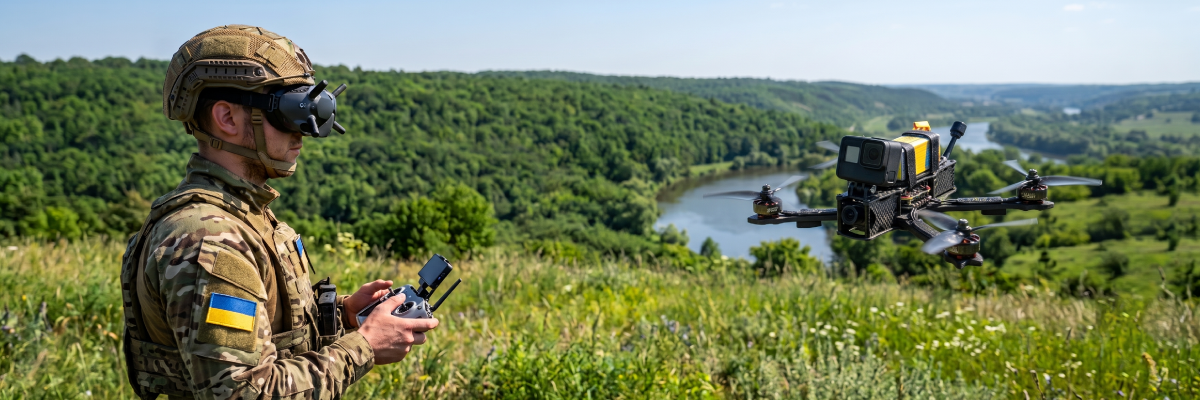
What is Drone Wind Resistance?
Drone wind resistance is the maximum wind speed a drone can handle while still flying under control. It depends on several factors, like propeller thrust, weight, and the power of brushless motors. Advanced systems like GPS positioning and smart flight controllers also help keep the drone stable.
When wind gets too strong, the drone may drift, even at full power. This can affect both ground speed and air speed, making it harder to return safely. It’s also important to watch for wind gusts. These sudden changes are more dangerous than steady wind because they hit fast and can break your control. Always leave safety margins before takeoff to protect your gear and ensure flight safety.
Drone Wind Resistance Levels Chart
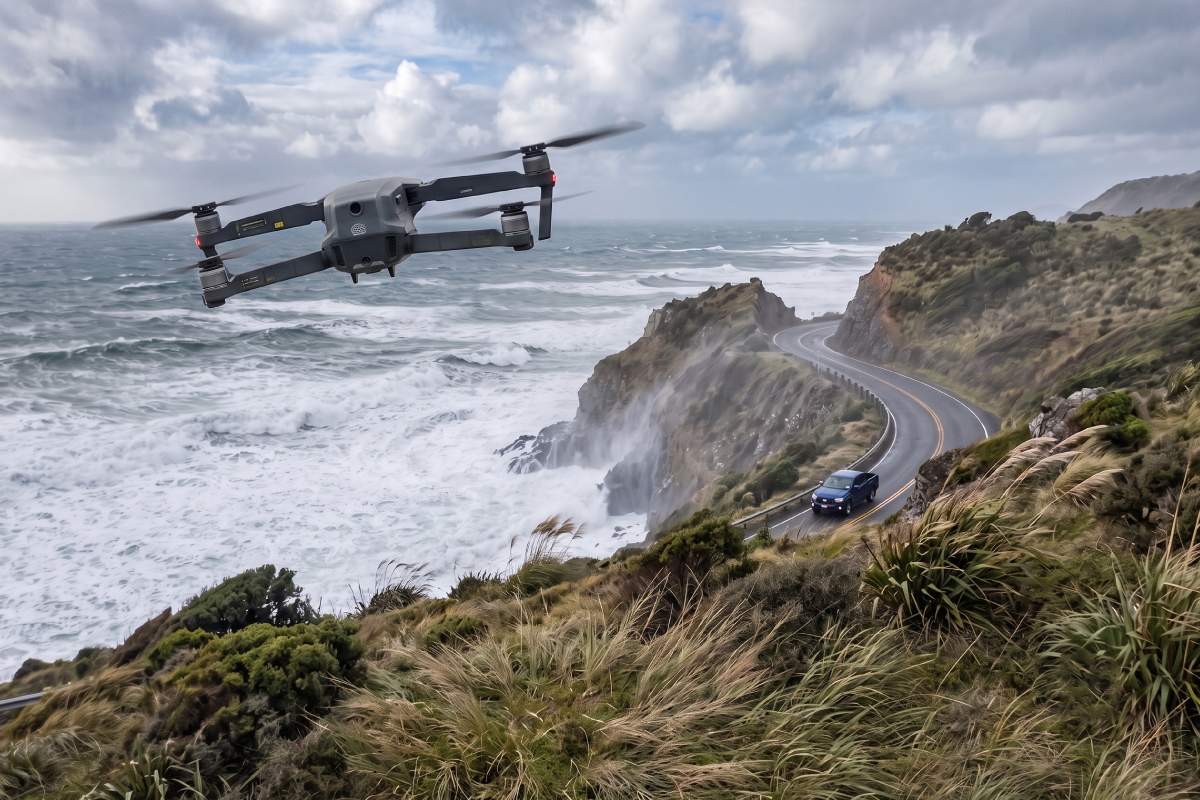
Most brands rate their drones using a system close to the Beaufort Scale. This makes it easier to compare models and plan flights. Knowing the drone wind resistance levels chart helps you match your drone to real weather conditions.
Here’s a simple breakdown:
|
Wind Level |
Max Wind Speed (m/s) |
Max Wind Speed (km/h) |
Common Drone Types |
|
Level 4 |
5.5 – 7.9 m/s |
20 – 28 km/h |
Small toy drones, entry-level minis |
|
Level 5 |
8.0 – 10.7 m/s |
29 – 38 km/h |
DJI Mini 3/4 Pro, Air series |
|
Level 7 |
13.9 – 17.1 m/s |
50 – 61 km/h |
DJI Mavic 3, Enterprise & FPV drones |
|
Level 8+ |
>17.2 m/s |
>62 km/h |
High-end industrial & search drones |
As you move up the scale, drones get better at handling wind thanks to stronger motors, better aerodynamics, and more efficient drone propellers. Understanding these levels helps you fly with confidence and avoid risky conditions.
Comparing Level 4, 5, and 7 Resistance
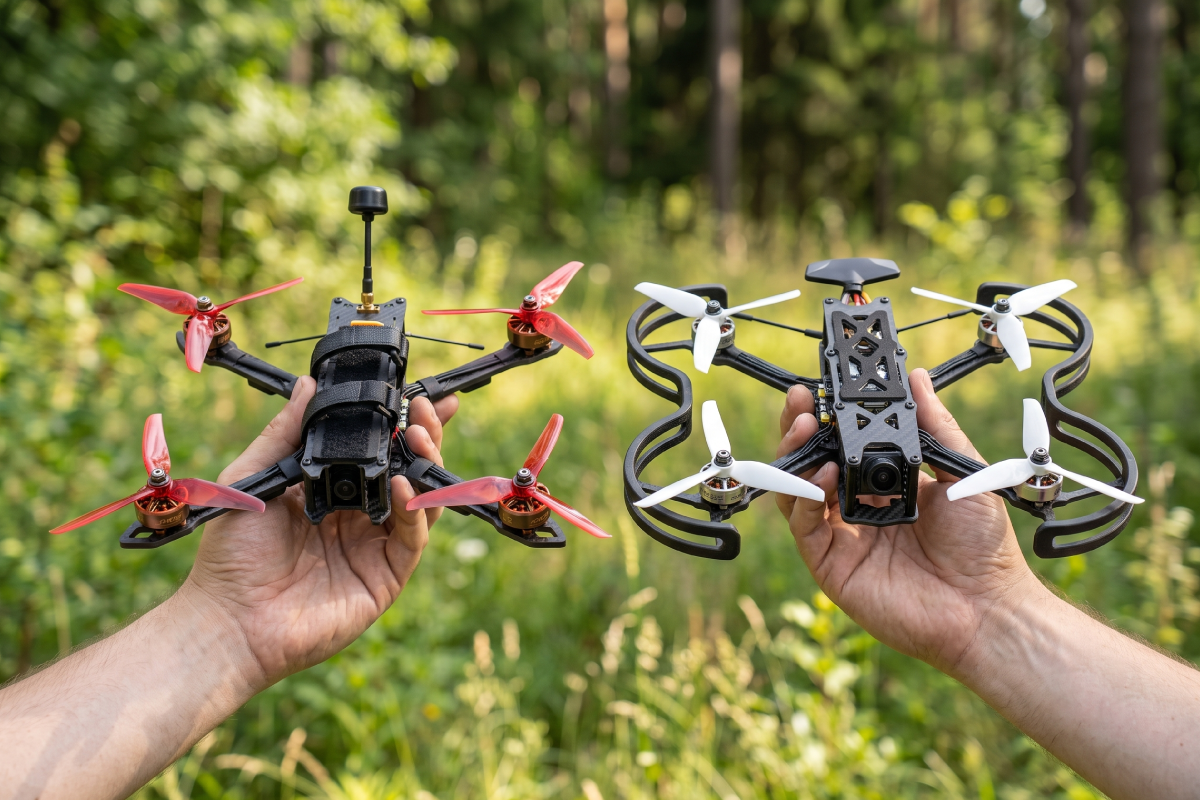
Not all drones perform the same in the wind. Different tasks require different levels of drone wind resistance, and choosing the wrong one can limit your flight.
- Level 4 Wind Resistance: Best for indoor use or very calm outdoor flights. These lightweight drones have low propeller thrust and can lose flight stability even in light wind. You may see frequent warnings, and control becomes unreliable.
- Level 5 Wind Resistance: This is the most common level for consumer drones. It offers stable flight in moderate wind and works well for everyday use. Still, flying near water or open fields can push the limits. Strong winds increase battery drain and affect both airspeed and return performance.
- Level 7 Wind Resistance: A solid choice for professional work. A level 7 wind-resistant drone can handle strong winds and maintain its position using GPS. It’s ideal for mountain work, mapping, and video work where conditions change quickly.
- Level 8 and Beyond: Built for extreme use. These drones are used in industrial jobs or rescue missions where high winds are common.
Technical Factors Affecting Flight Stability
Wind resistance is not just about ratings. Real performance depends on design and components.
- Weight and Inertia: Heavier drones stay more stable in wind. They resist small wind gusts better than light models.
- Propeller Design: Larger and well-shaped drone propellers create more lift and help fight headwinds.
- Motor Power: Strong brushless motors respond quickly and adjust speed to maintain balance in the air.
- Aerodynamics: A clean shape reduces drag. Good aerodynamics help the drone cut through the wind instead of being pushed by it.
- Altitude and Air Density: At higher altitudes, thinner air reduces lift. This can reduce the drone's effective wind resistance even if the specs look good on paper.
All these factors work together to keep your drone stable and improve overall flight safety.
Real-World Flying Conditions and Terrain
Wind is not the same everywhere. The environment can change how your drone behaves in the air.
In the mountains, wind shifts fast due to thermal flows. A drone may face sudden changes in direction and strength. In cities, buildings create the “urban canyon” effect. This funnels air into tight spaces, causing turbulence even on calm days.
Near the coast, steady onshore wind is common. Here, level 5 wind resistance drone models are often the minimum for safe flying. Still, it’s smart to keep extra safety margins.
Also, remember: wind speed increases with height. It may feel calm at takeoff, but at 100 meters, your drone could face conditions closer to a level 7 wind resistance drone environment.
Tips for Safe Flights in High Wind
Flying in strong winds requires planning and discipline. Even drones with high drone wind resistance levels can struggle if conditions change fast.
- Start your flight upwind. This way, the drone can return with the wind if power drops.
- Watch your battery closely. Fighting wind can increase battery drain by up to 50%.
- If you see a warning, lower your altitude. Wind is often weaker closer to the ground.
- Adjust your Return to Home (RTH) settings before takeoff. Choose a safe height that avoids obstacles but limits exposure to strong gusts.
- Keep an eye on ground speed. If it drops too much, your drone may not make it back.
Small steps like these improve flight safety and protect your gear.
Why Choose High-Resistance Drones from Us
Choosing the right drone makes every flight easier and safer. In our drone store, you’ll find models built for real conditions, not just specs on paper.
We offer everything from compact Level 5 drones for everyday use to advanced Level 7 and 8 models for pro work. If you plan to buy drones online, our team can help you match the right drone to your environment and goals.
You also get genuine products, full warranty coverage, and expert support. We focus on performance, reliability, and long-term value. With the right setup, you can fly with confidence, even when the wind picks up.
Frequently Asked Questions (FAQ)
What happens if I fly a Level 5 drone in Level 7 winds?
The drone will likely lose stability in flight. Even with GPS positioning, it may drift and fail to hold position. In strong winds, your ground speed may drop to zero, making it hard or impossible to return.
Is a "Level 7 wind resistance drone" waterproof?
No. Drone wind resistance only relates to stability in the air. Unless your drone has a specific IP rating, avoid rain or snow.
Does Sport Mode improve wind resistance?
Yes, to a degree. Sport Mode increases tilt and power, helping the drone fight wind by increasing airspeed. But it disables obstacle sensors, so use it with caution.
How do wind gusts affect my drone compared to steady wind?
Steady wind is easier to manage. Wind gusts are sudden and can cause altitude drops or sharp drift. Motors react fast, but not always fast enough.
Can I fly my drone in strong winds during winter?
You can, but it’s risky. Cold air affects battery life and increases battery drain. A drone with at least Level 5 or 7 resistance is a safer choice.
How can I accurately measure wind speed before takeoff?
Use a handheld meter and check weather apps. Look at wind at different heights, not just ground level. This helps you stay within safe drone wind resistance levels.