
How High Can I Fly a Drone in the UK?
Posted by Roman on 29th Jul 2026
How High Can I Fly a Drone in the UK?
If you’ve ever wondered how high you can fly a drone in the UK, you’re not alone. Both beginners and experienced pilots ask this before takeoff. The answer isn’t just about what your drone can do, but what the law allows. UK airspace is shared with manned aircraft, including helicopters and emergency services, so clear safety regulations are in place. In this guide, we break down how high a drone can fly legally, what the CAA requires, and how to stay compliant without overthinking every flight.
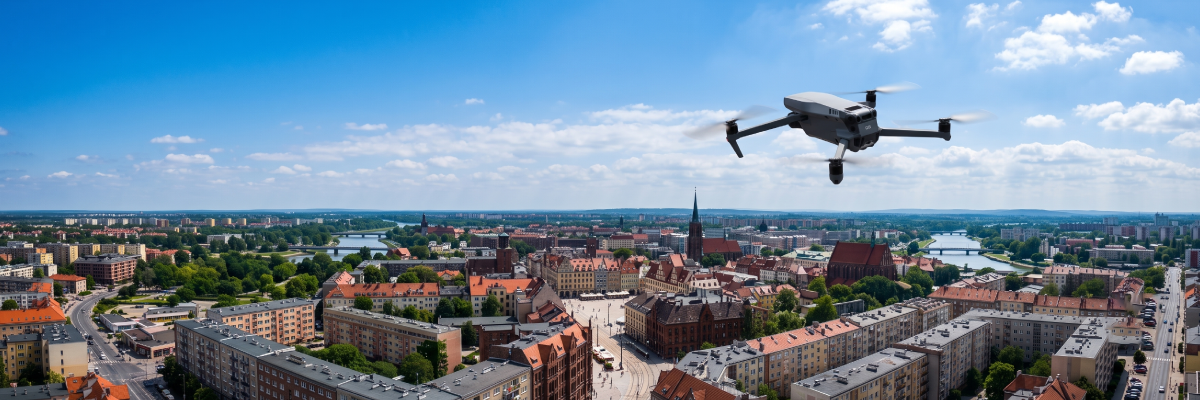
The Legal Altitude Limit: The 400ft Rule
The short answer to how high you can legally fly a drone in the UK is simple: no higher than 400 feet (120 meters). This rule comes from the official drone code set by the CAA, and it applies to almost all standard operations.
This limit keeps drones safely below manned aircraft, which usually stay above 500 feet unless landing or taking off. Staying under this threshold reduces risk and keeps flights predictable.
To stay within the rules:
- Check your height from the ground directly below your drone, not your launch point.
- Watch your telemetry to stay under 120 meters.
- Keep a visual line of sight (VLOS) at all times.
- Use your drone’s built-in altitude limit settings.
- Descend immediately if you notice nearby aircraft.
These steps make it easier to follow how high a drone can fly by UK rules, without guesswork.
Converting Meters to Feet for Drone Pilots
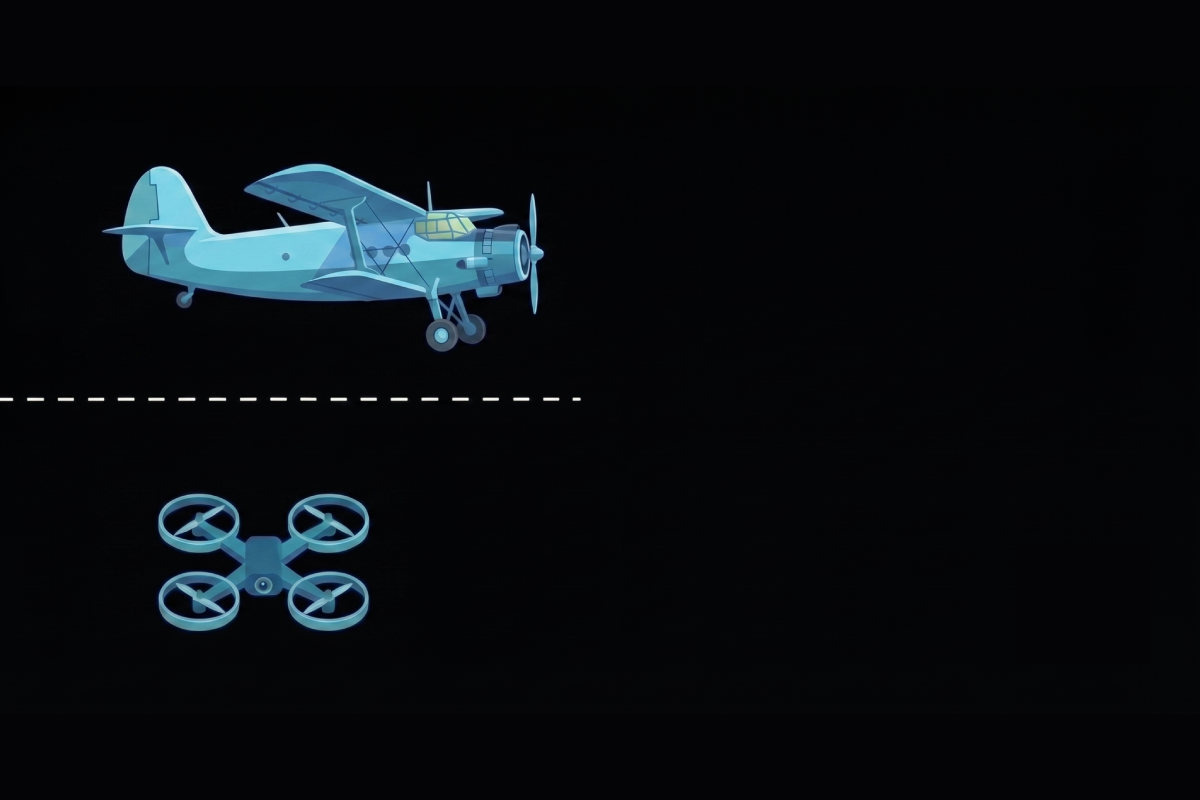
Understanding units helps avoid mistakes, especially when switching between apps or manuals. In the UK, the official limit is 120 meters, but many drones display altitude in feet. So when asking how high a drone can fly in meters, it helps to know the equivalent.
Here’s a simple comparison:
|
Unit of Measurement |
Legal UK Limit |
Common Manned Aircraft Minimum |
|
Meters (m) |
120 meters |
~152 meters |
|
Feet (ft) |
394 feet (Approx. 400ft) |
500 feet |
|
Application |
Maximum drone height |
General aviation floor |
Being comfortable with both units makes it easier to interpret flight data and avoid exceeding the UK limits on how high you can fly a drone. It also helps when reading charts or using apps like NATS Drone Assist, where both systems may appear.
Technical Limits vs. Legal Restrictions
It’s easy to confuse how high a drone can fly with how high a drone can fly legally, but these are not the same thing. Many modern drones are built to reach extreme altitudes thanks to advanced hardware, including brushless motors and stable transmission systems. In ideal conditions, some models can climb several thousand meters.
However, in the UK, the law is clear. No matter your drone’s capability, the legal ceiling remains 120 meters (400 feet) under CAA rules. Manufacturers often include geofencing and built-in altitude limit settings to help pilots stay compliant.
Trying to bypass these limits is not worth the risk. Flying above the legal threshold can lead to serious penalties, especially if you interfere with airspace used by manned aircraft. In short, your drone might be capable of more, but UK safety regulations define what is allowed.
Why Altitude Limits are Essential for Safety
At first glance, the sky may seem empty, but in reality, it’s a shared airspace used by manned aircraft, including police helicopters and air ambulances. That’s why the drone code strictly defines how high you can fly a drone. By staying below 400 feet (120 meters), you create a buffer zone that reduces the risk of mid-air incidents. This is especially important because emergency aircraft often fly low, sometimes between 100 and 250 feet, where quick response times are critical.
There’s also a technical factor to consider. As altitude increases, wind becomes stronger and less predictable. Even drones with reliable brushless motors can struggle in these conditions, leading to drift or loss of control. Staying within the limits of how high a drone can fly in the UK is not just about following rules – it helps you keep your drone stable and your flight safe.
Flying in Hilly or Mountainous Terrain
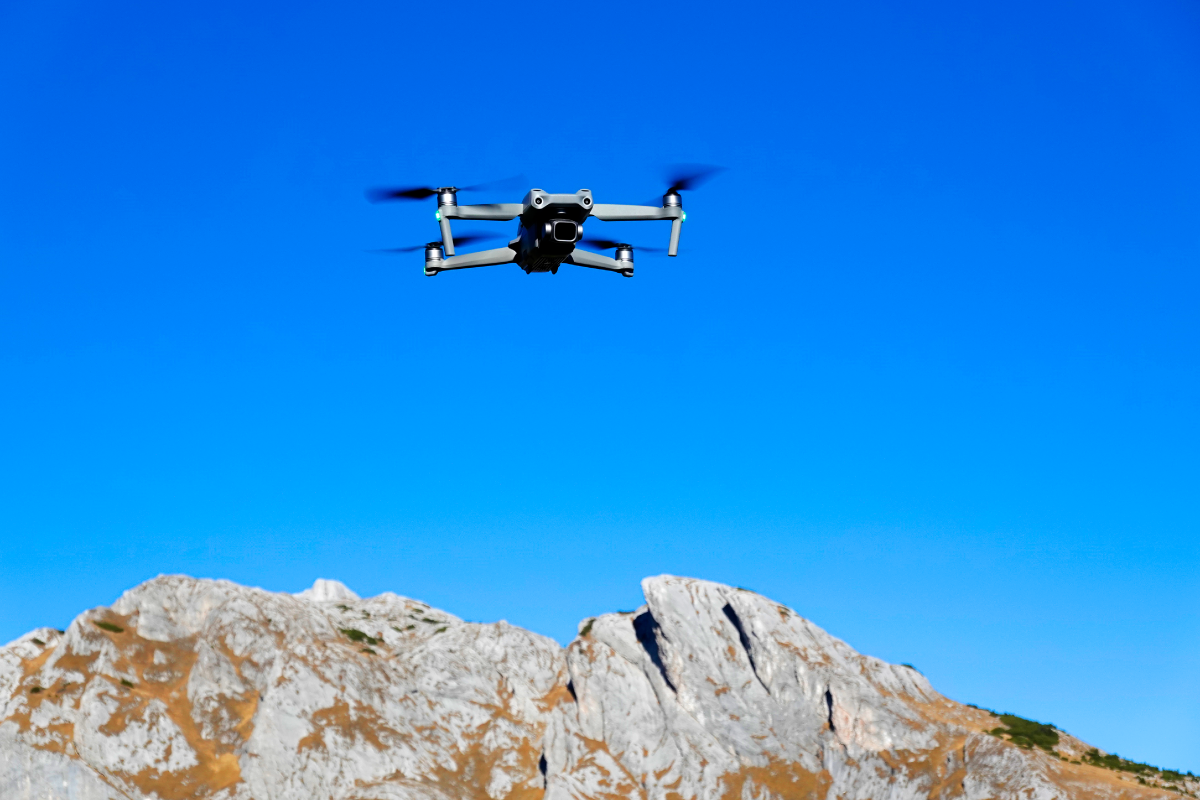
Flying in uneven terrain can make it harder to judge how high I can fly a drone. According to the CAA, the 120-meter limit is always measured from the ground directly beneath the drone, not from your takeoff point. This means that when flying uphill, your drone can gradually gain altitude as long as it remains within that distance from the surface.
However, the situation changes when flying over drops or cliffs. Your drone’s relative height can increase quickly, even if you don’t adjust the controls. In such cases, you need to descend to stay within legal airspace limits. Careful route planning is essential – understanding elevation changes helps you stay within the rules on how high you can fly a drone in the UK and avoid accidental violations.
Special Authorizations and the "Specific" Category
In some cases, the standard rules around how high a drone can fly are not enough. Professional tasks like inspections of tall buildings or detailed mapping may require flights above 120 meters. In the UK, this is only possible outside the “Open” category.
To legally exceed the limit, you need an Operational Authorisation from the CAA. This involves demonstrating your pilot competency, typically through certifications such as the GVC, and submitting a detailed risk assessment. Once approved, your operations move into the “Specific” category, where conditions are tailored to your activity.
Without this formal approval, the limit remains strict. No matter your experience, equipment, or operator ID, the standard rule for how high a drone can fly legally still applies.
Why Buy Your Drone and Accessories From Us
Following UK drone laws becomes much easier when your equipment supports you. If you plan to buy drones online, choosing reliable gear with built-in altitude limit features makes a real difference.
We offer modern drones that comply with the drone code, along with essential extras like drone batteries for longer, more stable flights. Our team also helps you understand CAA registration, apps like NATS Drone Assist, and how to maintain a visual line of sight in real conditions.
With us, you’re not just getting hardware – you’re getting practical support and equipment that helps you stay within the rules on how high I can fly a drone in the UK from your very first flight.
Frequently Asked Questions (FAQ)
What is the fine for flying a drone too high in the UK?
Breaking the 400-foot limit is taken seriously. If your flight puts manned aircraft at risk, penalties can go far beyond a simple warning. In severe cases, courts may issue unlimited fines or even prison sentences of up to five years.
Can I fly higher than 120m if I am away from people?
No. The rule about how high you can legally fly a drone is not related to how crowded the area is. It exists to protect shared airspace, not just people on the ground, so the 120-meter cap always applies.
How high can I fly a drone under 250g in the UK?
Even lightweight drones follow the same altitude limits. So if you’re asking “how high I can fly a drone?”, the answer stays the same – no more than 120 meters (400 feet), regardless of size or weight.
Does the altitude limit change near airports?
Yes, but not in the way many expect. Inside Flight Restriction Zones, you usually cannot fly at all without permission. The standard how high can a drone fly UK limit only applies outside these controlled areas.
How do I know how high I am flying?
Most drones show real-time altitude directly in the flight app. This data comes from onboard sensors and GPS, helping you stay within the legal altitude limit without needing extra tools.
Can I fly higher than 120m if I am inspecting a tall structure?
In some situations, yes – but only under specific conditions. If you have permission and operate within the correct category, you may fly close to structures taller than 120 meters. However, this often requires additional approvals and careful planning under current CAA guidance.