
Best Drones Under 250g in 2026: Lightweight Models Worth Buying
Posted by Roman on 29th Jul 2026
The best drones under 250g 2026 sit right at the sweet spot between freedom and performance. Staying below this regulatory threshold means fewer rules, easier travel, and less hassle with paperwork – yet modern models still deliver sharp 4K video, stable flight, and reliable control. Today’s lightweight drone options combine compact design, strong brushless motors, and smart features once limited to heavier aircraft. In this guide, we break down the best drones under 250g, compare key specs, and explain what actually matters before you buy.

Why the 250g Weight Limit Matters for Drone Pilots
The sub-250g category exists for a reason. Lighter aircraft are safer, which is why aviation bodies treat them differently under the open category rules. For most users, this makes a real difference in day-to-day flying.
What typically changes below 250g:
- Fewer restricted zones and simpler flight permissions
- Easier CAA registration process in many countries
- In some regions, no need for a pilot certificate
- Lower insurance expectations
That said, a camera drone still often requires an operator ID, even at this weight.
For hobbyists and travelers, choosing the best drones under 250g in the UK or elsewhere isn’t just about specs – it’s about keeping things simple. You can pack your drone, fly in more places, and spend less time dealing with rules.
Best Drones Under 250g in 2026: Comparison Table
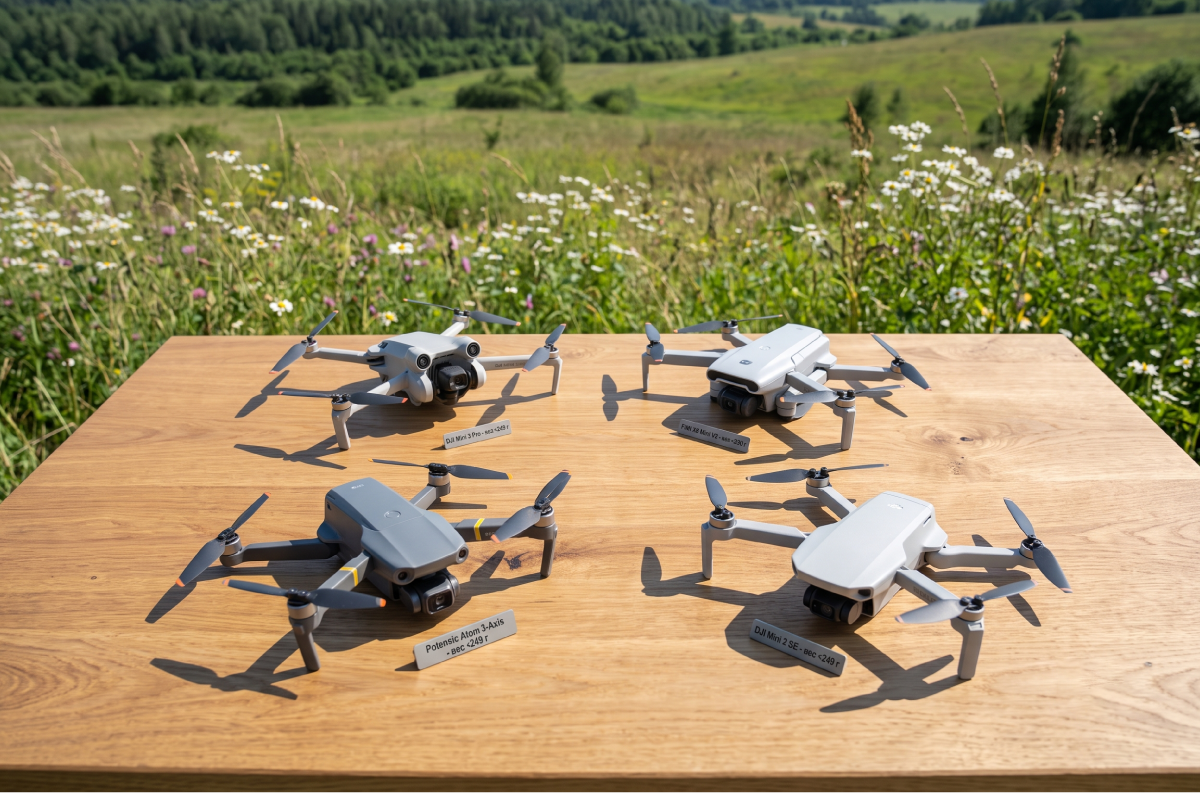
Below is a quick look at the best drones under 250g 2026, comparing the features that matter most in real use – from camera resolution to flight time and safety features.
|
Model |
Weight |
Camera |
Gimbal |
Flight Time |
Obstacle Avoidance |
Price Range |
|
DJI Mini 4 Pro |
249g |
4K/60fps |
3-axis |
~34 min |
Yes (4-way) |
£££ |
|
DJI Mini 3 |
249g |
4K/30fps |
3-axis |
~38 min |
No |
££ |
|
DJI Mini 3 Pro |
249g |
4K/60fps |
3-axis |
~34 min |
Yes (3-way) |
£££ |
|
Autel EVO Nano+ |
249g |
4K HDR |
3-axis |
~28 min |
Yes (3-way) |
£££ |
|
Potensic ATOM SE |
249g |
4K |
3-axis |
~31 min |
No |
££ |
|
Holy Stone HS175D |
~198g |
2K |
Electronic |
~20 min |
No |
£ |
Price tiers: £ = budget, ££ = mid-range, £££ = premium
The DJI Mini lineup continues to lead this space. The reason is simple: consistent 4K video, stable gimbal stabilization, and dependable GPS hold across all models. Add solid transmission range and efficient motors, and it’s easy to see why these drones dominate the sub-250g market.
That said, newer competitors are closing the gap – especially for buyers who want alternatives.
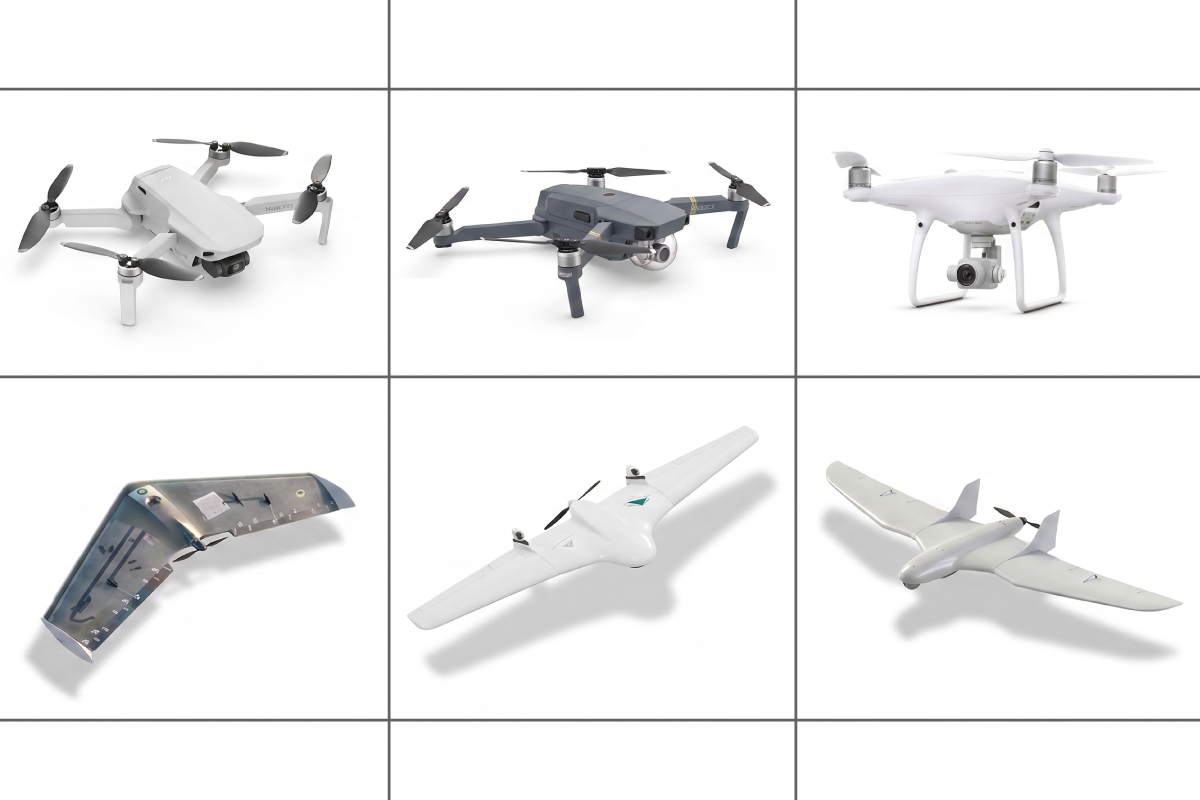
DJI Mini 4 Pro — Best Overall Sub-250g Drone
If you’re looking at the best drones under 250g 2026, the DJI Mini 4 Pro is hard to ignore. It feels like a small drone that behaves like a much bigger one. You get crisp 4K video at 60 fps, backed by a solid lens that performs well even when the light starts to drop.
What really sets it apart is safety. The full obstacle-avoidance system operates in four directions, making flying in tighter spaces far less stressful. Add to that smart tracking and smooth gimbal stabilization, and the footage looks clean without much effort.
You also get around 34 minutes of flight time, plus a reliable return to home (RTH) if the signal drops. It’s not cheap, but for those who want top performance in a sub-250g body, it earns its place.
DJI Mini 3 — Best Value Lightweight Drone
The DJI Mini 3 sits in a comfortable middle ground for anyone comparing the best drones under 250g without stretching the budget too far. It drops advanced obstacle avoidance, but keeps the features that actually matter in everyday flying. You still get clean 4K video paired with proper gimbal stabilization, which gives noticeably smoother footage than entry-level models. The camera is reliable, easy to use, and doesn’t require much tweaking to get good results.
Battery life is where it really stands out. With up to 38 minutes on paper, it allows longer sessions without constantly landing to swap packs. In real conditions, that still means plenty of time in the air. Features like GPS hold and return-to-home (RTH) add a sense of control, especially for newer pilots. Add the vertical shooting mode, and it becomes a practical choice for social content as well as casual flying. For open areas and simple workflows, it remains one of the most balanced lightweight drone options.
Autel EVO Nano+ — Best DJI Alternative Under 250g
Not everyone wants to rely on DJI, and the Autel EVO Nano+ offers a solid alternative within the best drones under 250g in the UK segment. What makes it stand out is the camera. A larger sensor helps it handle shadows and highlights better, so 4K HDR video looks more natural, especially in uneven lighting. It’s a small detail, but noticeable if you care about image quality beyond basic shooting.
The drone also includes three-directional obstacle avoidance, which helps when flying near trees or buildings. Its transmission range is stable enough for longer flights, and the connection holds up well in typical conditions. Another advantage is the lack of strict geofencing, which gives pilots more freedom in certain areas. With decent flight time and a slightly more open ecosystem, it’s a good fit for users who want flexibility without giving up key features.
What to Look for When Buying a Sub-250g Drone
Weight is only part of the story. When choosing among the best drones under 250g, a few practical specs will shape your everyday experience much more than the number on the box. First, pay attention to the camera. A model with true 3-axis gimbal stabilization will always produce smoother footage than electronic stabilisation, especially when there’s wind. If you care about clean 4K video, this is not the place to compromise.
Battery life is another key factor. Most brands advertise ideal flight time, but in reality, you’ll usually get a bit less. A drone rated for 30+ minutes often delivers closer to 25 in normal use. Wind resistance matters too – lighter drones can struggle in stronger conditions, so look for at least Level 5 if you plan to fly outdoors often. Finally, don’t overlook basics like spare propellers and access to rechargeable drone batteries, since these directly affect how often and how long you can fly.
Sub-250g Drones and Legal Registration
There’s a common belief that sub-250g drones don’t need to be registered. That’s only partly true. In most countries, the moment a drone has a camera, rules still apply. For example, in the UK, even the best drones under 250g require an operator ID and proper CAA registration.
Across the EU, similar rules exist under the open category, where any camera-equipped drone must be registered. In the US, recreational pilots can still fly sub-250g models without registration for now, but regulations can change quickly.
It’s always worth checking local rules before flying, especially if you travel. And while you’re preparing your setup, having reliable drone battery chargers on hand makes it easier to stay ready without unnecessary downtime.
Frequently Asked Questions (FAQ)
Do drones under 250g still need to be registered?
In most cases – yes. The weight helps reduce restrictions, but it doesn’t remove responsibility. If your drone has a camera, you’ll usually need an operator ID. In the UK, this comes through the CAA registration, and similar rules apply across Europe under the open category. So even the best drones under 250g are not completely exempt.
Is the DJI Mini 4 Pro worth the price over the Mini 3?
It depends on how you fly. If you often deal with obstacles – trees, buildings, tight spaces – advanced obstacle avoidance can make a real difference and help prevent crashes. The Mini 4 Pro feels safer and more automated.
If your flights are mostly in open areas, the Mini 3 is often enough. You still get strong 4K video, long flight time, and a simpler setup at a lower cost.
Can I travel internationally with a sub-250g drone?
Yes, and that’s one of the main reasons people choose this category. A lightweight drone fits easily into a backpack and doesn’t attract much attention at airports. But rules change from country to country. Some places allow quick setup, others require permits in advance. Checking local laws before your trip can save you from trouble later.
What is the wind resistance of typical sub-250g drones?
Most decent models handle Level 5 wind, which is roughly up to 38 km/h. On paper, that sounds solid, but real conditions are less forgiving. Gusts can push a small drone around, and you’ll notice faster battery drain. In practice, flying in anything above 25 km/h starts to feel unstable.
Are budget sub-250g drones worth buying?
They can be useful, but mostly for learning. Cheaper models often rely on basic stabilisation instead of a proper gimbal stabilization system. That means shaky footage and less control in the air. They’re fine for practice flights, but not ideal if you care about image quality or consistency.
How many spare batteries should I buy?
One extra battery is the bare minimum. Two or three is where things start to feel comfortable. With three batteries, you can stay in the air long enough to actually enjoy the session instead of constantly watching the battery level. It also gives you flexibility if conditions change or you want to reshoot something.