
Best Drones for Beginners: How to Choose Your First Drone
Posted by Roman on 29th Jul 2026
Buying your first drone rarely feels simple. Specs look similar, prices vary a lot, and every model claims to be “the best.” If you're searching for the best drones for beginners, it helps to focus on what actually matters in real use. Stable flight, simple controls, decent camera resolution, and reliable performance matter more than flashy features. Whether you want smooth 4K video for travel or just want to learn how to fly without crashing every few minutes, choosing the right drone at the start makes the whole experience easier and more enjoyable.
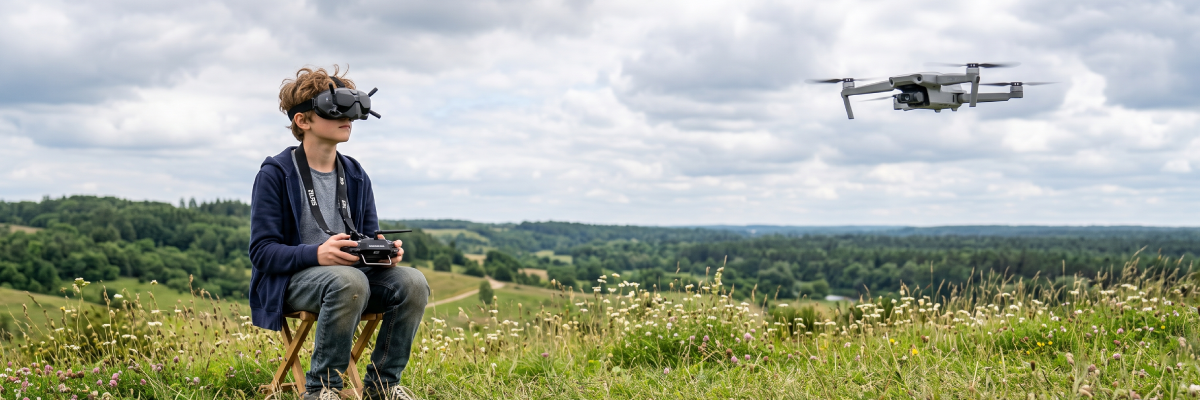
What Makes a Drone Good for Beginners?
Not every drone is designed with new pilots in mind. The best drones with a camera for beginners usually share a few practical features that reduce mistakes and help build confidence.
Here’s what actually makes a difference:
- GPS hold – keeps the drone steady in the air without constant input.
- Return to home (RTH) – automatically returns the drone if the signal drops.
- Beginner mode – limits speed and range, which is useful when learning.
- Obstacle avoidance – helps prevent crashes into trees, walls, or objects.
- Brushless motors – more durable and efficient than cheaper alternatives.
These features aren’t just technical extras. They directly affect how easy (or frustrating) your first flights will be. A drone with good stabilization and safety systems lets you focus on learning, not recovering from mistakes.
Best Beginner Drones with Camera: Top Models Compared
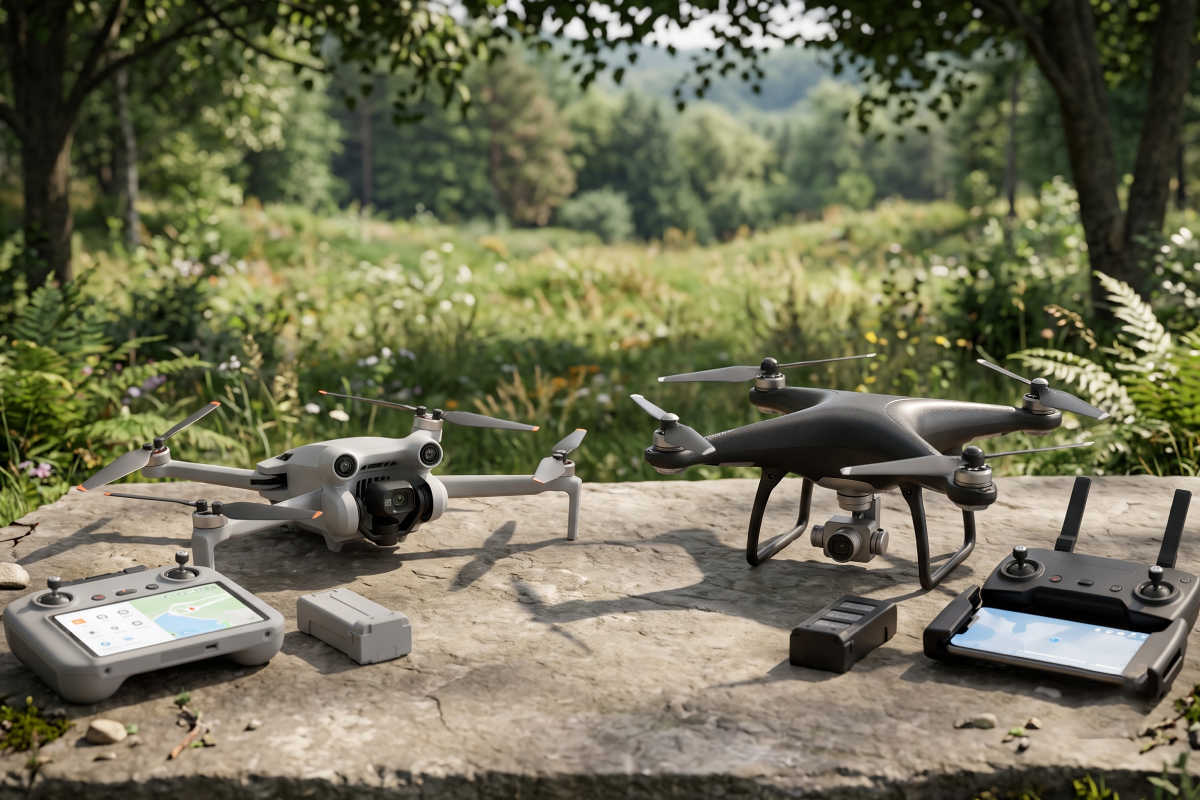
When comparing the best drones for beginners in the UK or globally, it’s easier to decide when you see the specs side by side. Below are some of the most recommended beginner-friendly models with solid cameras and reliable performance.
|
Model |
Weight |
Camera |
Flight Time |
Key Feature |
|
DJI Mini 4 Pro |
249g |
4K/60fps |
~34 min |
Obstacle avoidance, under 250g |
|
DJI Mini 3 |
249g |
4K/30fps |
~38 min |
Lightweight, great stabilization |
|
Holy Stone HS720E |
470g |
4K EIS |
~23 min |
Affordable, GPS hold, RTH |
|
Potensic ATOM SE |
249g |
4K |
~31 min |
Budget-friendly, under 250g |
|
Autel EVO Nano+ |
249g |
4K HDR |
~28 min |
Obstacle avoidance, compact |
Models under 250g are especially popular. They’re easier to carry, often require fewer restrictions, and still deliver solid battery life and image quality. That’s why the DJI Mini lineup is often the first choice for beginners.
Under 250g — Why Weight Matters for Beginners
Drones that weigh under 250g fall into a more flexible regulatory category in many countries. In the UK, for example, even lightweight camera drones still require an Operator ID and CAA registration, but they are subject to fewer restrictions than heavier models. For beginners, this simplifies a lot of things from day one.
Here’s what it means in practice:
- More locations where you can legally fly
- Lower registration requirements
- Easier to carry and transport
- Reduced risk of serious damage in case of a crash
That’s why many people looking to buy drones for the first time choose compact models. Options like the DJI Mini series combine low weight with solid 4K video performance, making them a natural starting point.
Camera Features to Look for in a Beginner Drone
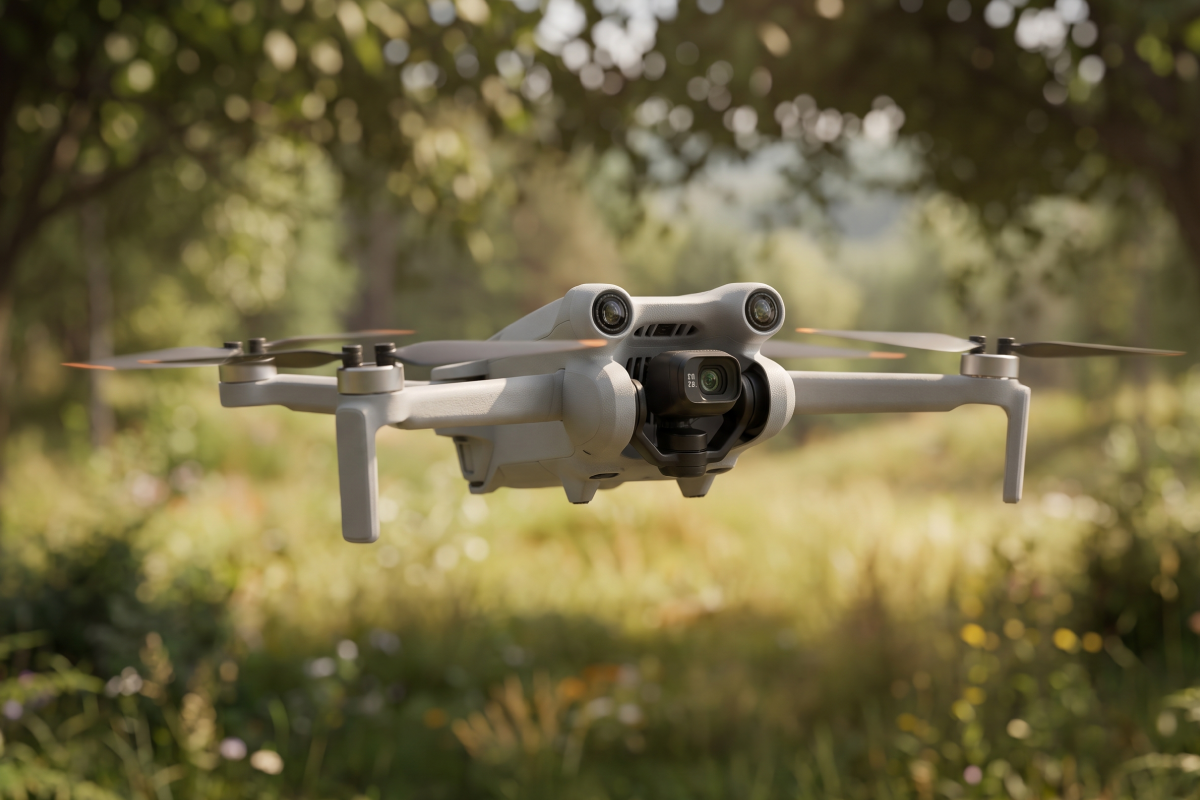
If you’re planning to shoot photos or video, the camera will quickly become one of the most important parts of your drone. But it’s easy to get distracted by specs that don’t really change the outcome. When browsing options at a drone store, focus on features that actually affect how your footage looks under real-world conditions.
A solid starting point today is 4K video, which gives enough detail for editing and cropping without losing quality. Just as important is proper stabilization – ideally a 3-axis gimbal that keeps the image smooth even when the drone moves or the wind picks up. For photos, a camera resolution of around 12MP is more than enough for most users.
Extra features like HDR and Follow Me Mode are useful, but not essential at the start. What matters more is consistency. That’s why drones with only electronic stabilization often feel limiting – a physical gimbal simply delivers better, more reliable results.
Flight Time and Battery Life — What to Realistically Expect
On paper, flight time often looks impressive. In reality, conditions are rarely perfect, so actual battery life tends to be shorter than advertised. Wind, temperature, and how you fly all play a role.
Here are the main factors that affect flight time:
- Wind resistance and speed.
- Active video recording.
- Temperature, especially in colder weather.
- Aggressive flying and quick maneuvers.
For beginners, it makes sense to choose a drone rated for at least 25 minutes of flight. That gives you enough time to practice without feeling rushed. It’s also worth getting extra drone batteries early on. One battery rarely feels like enough once you start flying more confidently.
Range and Connectivity for New Pilots
Transmission range shows how far your drone can fly while keeping a stable signal and live video feed. For beginners, this number is often overrated. In practice, most flights happen within 300-500 meters, so stability matters more than maximum distance.
A reliable connection makes control feel predictable. Look for drones that maintain a steady signal without sudden drops or delays. Low-latency video (under 200ms) also helps, as it gives you a more natural flying experience in real time.
Another important detail is how the drone behaves if the signal is lost. Good models don’t just fall – they either hover in place using GPS hold or automatically activate return to home (RTH), which adds an extra layer of safety.
Spare Parts, Durability, and Long-Term Costs
Crashes are almost inevitable when you’re learning. Even with careful flying, small mistakes happen. That’s why durability and access to parts matter more than most beginners expect.
The first thing to check is the availability of spare propellers. They’re the most commonly damaged components. It’s also worth looking at how easy it is to replace parts and whether they are reasonably priced. Some cheaper drones seem like a good deal until you need repairs.
Reliable brands usually have better support, clearer warranty terms, and easier access to spare components. In the long run, this saves both time and money, especially during the first weeks of active flying.
Getting Started: Registration and Legal Basics
Before your first flight, it’s important to understand the basic rules in your country. Even lightweight drones are not completely “free” to use. In the UK, for example, you still need an Operator ID from the CAA if your drone has a camera.
Most beginners go through a similar process:
- Register with your national aviation authority.
- Complete a simple online test (if required).
- Label your drone with your Operator ID.
- Check airspace restrictions before flying.
Following these steps from the start helps you avoid fines and unnecessary issues. It also builds good habits early on, which makes flying safer and more predictable over time.
Frequently Asked Questions (FAQ)
What is the best drone for an absolute beginner?
The DJI Mini 3 and Mini 4 Pro are ideal for beginners because they are lightweight, stable, and easy to control. They include a GPS, a 4K camera, and beginner modes that reduce speed and help prevent crashes while learning basic flying skills safely.
Do I need a licence to fly a beginner drone?
Most countries do not require a full drone license for recreational flying. However, you usually must register as an operator and follow basic rules. Some regions also require a short online safety test about airspace, privacy, and no-fly zones.
Is obstacle avoidance important for beginners?
Obstacle avoidance is useful for beginners because it helps prevent crashes by detecting objects such as trees and buildings. It increases safety and confidence during learning. However, it is not perfect and still requires careful flying, especially in low-light or complex environments.
How much should a beginner spend on a first drone?
A good budget for a beginner drone is around £250- £500. This range offers stable flight, decent cameras, and GPS features. Cheaper drones are often unstable, while expensive models are unnecessary for beginners still learning basic control and flying techniques.
Can I fly indoors with a beginner drone?
Indoor flying is possible only with drones that have optical flow sensors. GPS does not work indoors, so some drones may drift. Practice should be slow and careful, and propeller guards are recommended because indoor spaces are small and crashes happen easily.
What is FPV and is it suitable for beginners?
FPV means First Person View, where you see live video from the drone through goggles. It is exciting but harder to control than normal drones. Beginners should start with GPS drones first, since FPV requires experience, coordination, and fast reaction skills.